Explainers

Complex AI and fintech concepts broken down into simple, clear language. No jargon, no fluff — just what you need to know.

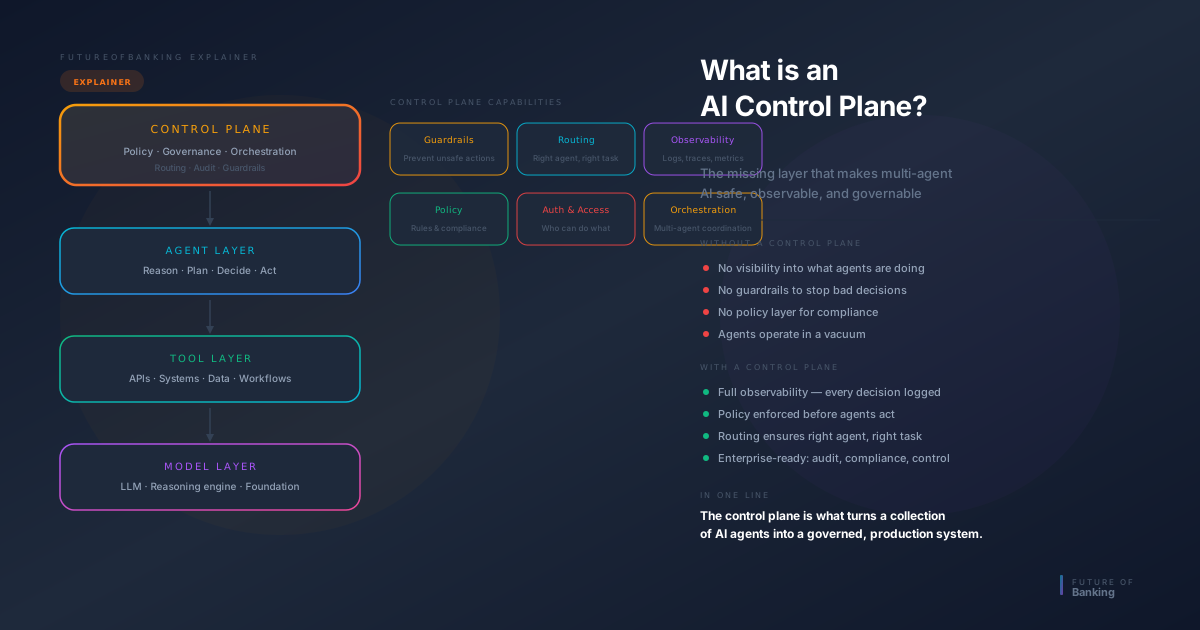
FutureOfBanking Explainers: What is an AI Control Plane?
explainers
9 min read

FutureOfBanking Explainers: What is an AI Control Plane?

As AI moves from experimentation to production, a new governance layer has emerged: the control plane. It is what turns a collection of AI agents into a governed, observable, and compliant system — and it is what regulated industries like banking desperately need.
FutureOfBanking Explainers: What are MCP Servers?
explainers
8 min read

FutureOfBanking Explainers: What are MCP Servers?

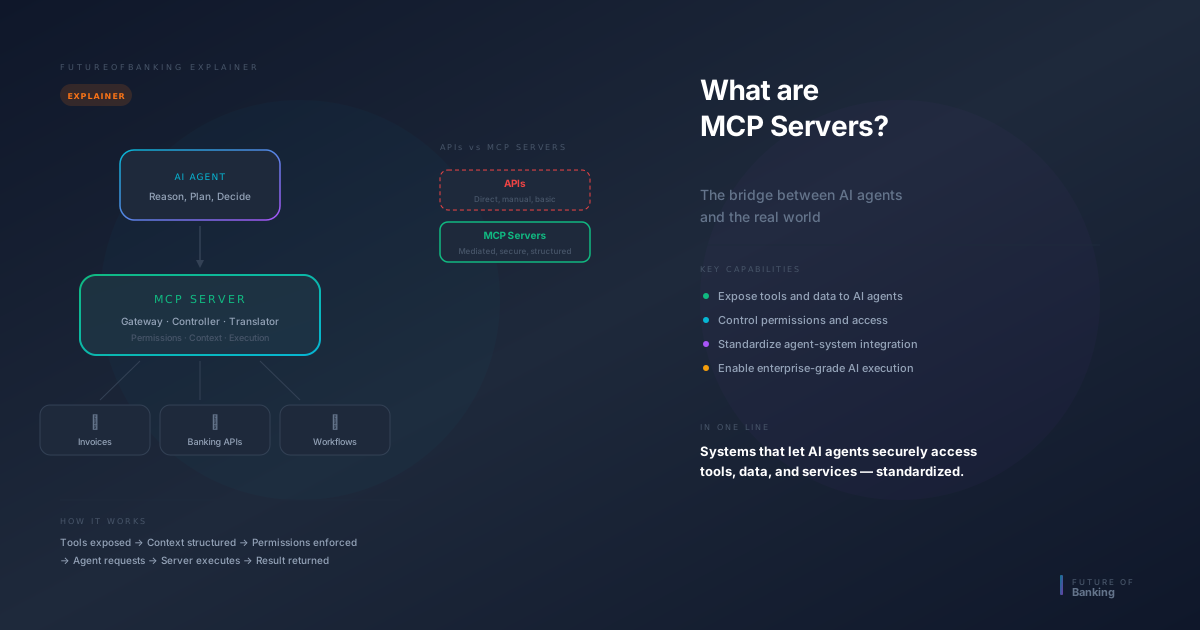
MCP servers are systems that allow AI agents to securely access tools, data, and services in a standardized way. They are the bridge between AI that can think and AI that can act.

FutureOfBanking Explainers: What is Agentic Commerce?
explainers
8 min read

FutureOfBanking Explainers: What is Agentic Commerce?

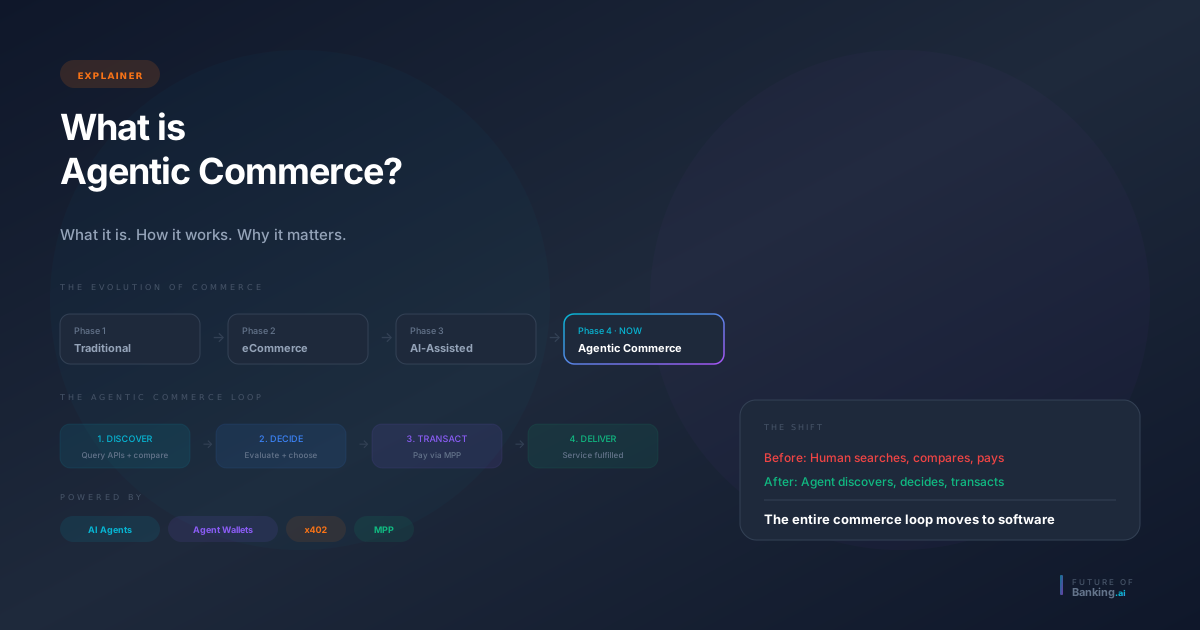
Agentic commerce is a new model where AI agents discover, decide, and transact on behalf of users — autonomously. Here is what it is, how it works, and why it matters for banks and fintechs.

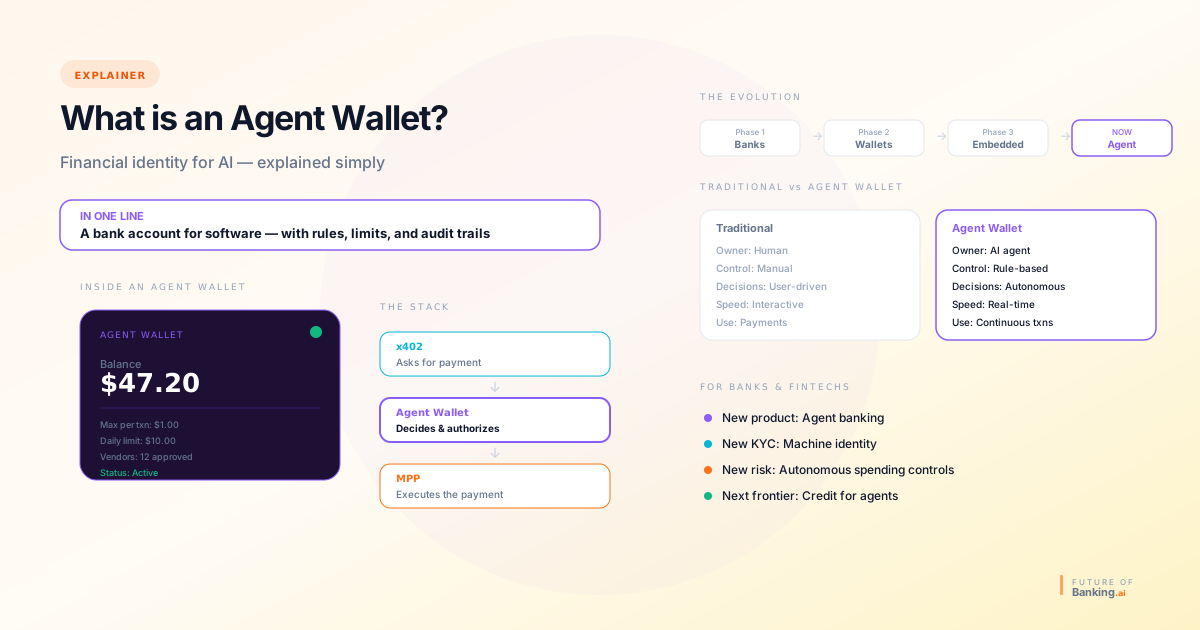
FutureOfBanking Explainers: What is an Agent Wallet?
explainers
7 min read

FutureOfBanking Explainers: What is an Agent Wallet?

An agent wallet is a digital wallet designed for AI agents — allowing them to hold funds, make payments, and operate within defined financial rules. Here's what it is, how it works, and why it matters.

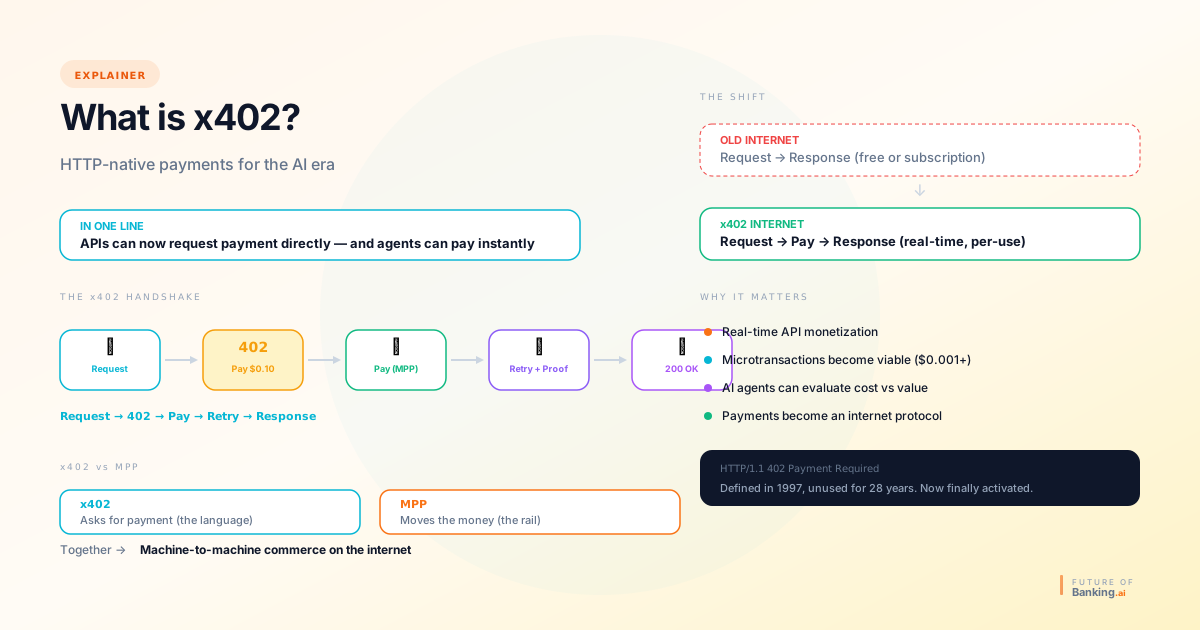
FutureOfBanking Explainers: What is x402?
explainers
7 min read

FutureOfBanking Explainers: What is x402?

x402 is a web standard that allows APIs to request payment directly — enabling software and AI agents to pay for services in real time. Here's what it is, how it works, and why it matters.

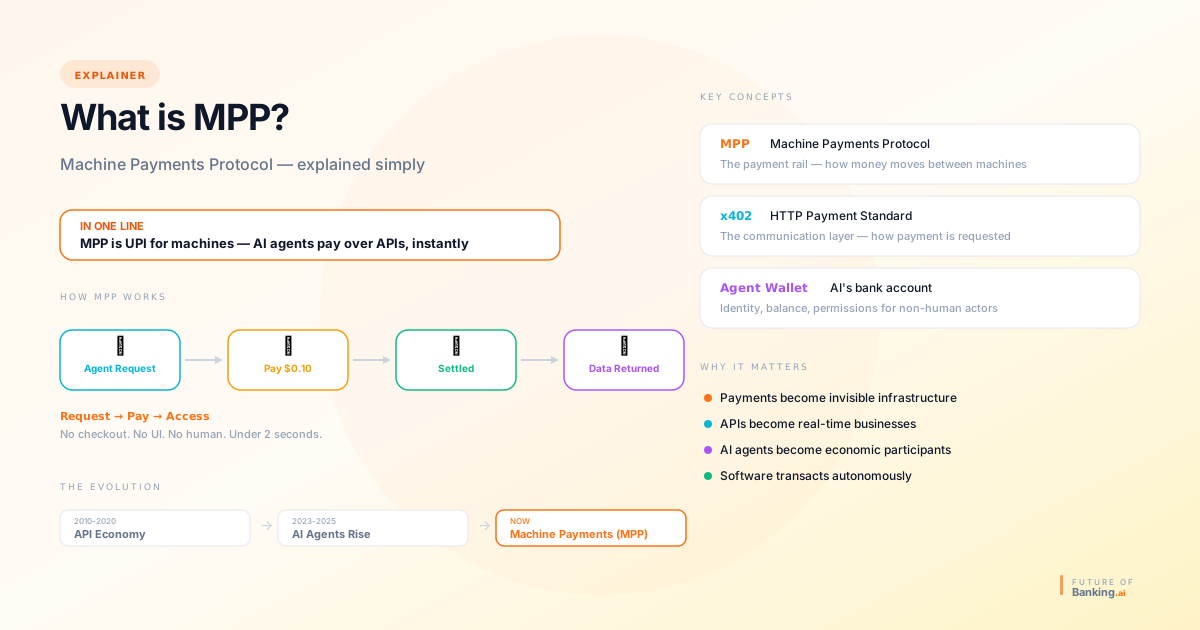
Future of Banking Explainers: What is MPP (Machine Payments Protocol)?
explainers
8 min read

Future of Banking Explainers: What is MPP (Machine Payments Protocol)?

MPP is a payment protocol that allows AI agents and software to pay other software directly over APIs — without any human involvement. Here's what it is, how it works, and why it matters.